
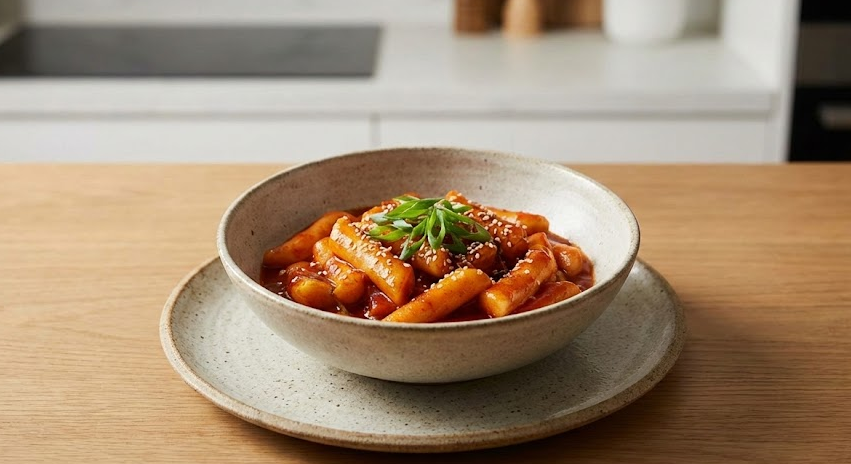
This guide presents an optimized Healthy Vegan Tteokbokki Recipe based on the “Golden Ratio” method favored by professional Korean culinary communities. Readers will learn how to source plant-based ingredients globally, apply essential seasoning sequences for maximum flavor absorption, and understand the economic advantages of home-cooked Korean cuisine in a modern wellness context.
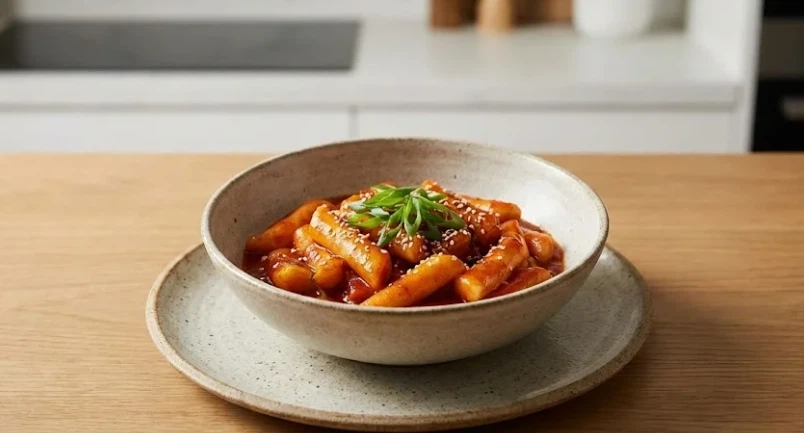
The Nutritional Evolution of Korean Street Food
Tteokbokki, a cornerstone of Korean street food culture, has evolved from its royal court origins—originally a savory stir-fry—into the spicy, gochujang-based dish recognized globally today. While the standard version relies on processed fish cakes and high-sodium anchovy broths, the transition to a healthy, vegan-friendly model preserves the iconic “chewy” texture while enhancing nutrient density.
The primary health challenge with traditional Tteokbokki is its high glycemic load and sodium content. By utilizing whole-grain rice cakes or konjac alternatives, and replacing refined sugars with natural syrups, home cooks can mitigate metabolic spikes. This adaptation aligns with the growing demand for “K-Wellness,” a movement that prioritizes fermented, plant-based nutrition for long-term health. Source: Ministry of Agriculture, Food and Rural Affairs
From a consumer economics perspective, preparing this dish at home offers a significant “Return on Investment” (ROI). In metropolitan areas like New York, London, or Sydney, a single serving of high-quality Tteokbokki can cost between $18.00 and $25.00. By mastering the recipe at home, the cost per serving drops below $5.00, allowing for a premium lifestyle without the associated markup of imported hospitality.
Read More: Why Home Cooking is Your Best Financial Asset
Global Shopping Guide: Sourcing Ingredients Abroad
For home cooks in the United States, United Kingdom, and Australia, finding authentic Korean ingredients no longer requires a trip to a specialized ethnic enclave. Major retailers such as Whole Foods, Walmart, Tesco, and Coles now stock essential Korean staples in their “Global” or “Asian” aisles.
Core Ingredients and Substitutions
- Rice Cakes (Garaetteok): Look for “Korean cylindrical rice cakes” in the refrigerated or frozen sections. For those seeking lower calories, Konjac cakes are a viable substitute.
- Gochujang (Red Chili Paste): This fermented paste is the backbone of the dish. Ensure the label does not list high-fructose corn syrup as the primary ingredient.
- Umami Base: Traditional recipes use anchovies. For a vegan version, Dried Kelp (Kombu) and Dried Shiitake Mushrooms provide a deep, earthy glutamate profile.
- Plant-Based Protein: Instead of fish cakes, use Tofu Puffs (found in most Asian grocers) or King Oyster Mushrooms. These ingredients excel at absorbing the spicy glaze.
The Golden Ratio: Mastering the Healthy Vegan Tteokbokki Recipe
Authentic Tteokbokki flavor is determined by the balance of spice, salt, and sweetness. According to professional culinary standards, the “Golden Ratio” for the sauce is a specific balance of fermented paste and seasonings.
The Ingredients List (US Imperial & Metric Units)
- Main: 1 lb (450g) Korean rice cakes, 1/2 cup (50g) tofu puffs, 1 cup (70g) shredded cabbage.
- The Sauce (The Golden Ratio):
- 2 tbsp (30g) Gochujang (Korean red chili paste)
- 1.5 tbsp (12g) Gochugaru (Korean red chili flakes)
- 2 tbsp (30ml) Low-sodium soy sauce (or Tamari for gluten-free)
- 3 tbsp (45ml) Maple syrup or organic cane sugar
- 1 tbsp (15g) Minced garlic
- Broth: 3 cups (720ml) Water, 2 pieces of dried kelp (2×2 inches), 3 dried shiitake mushrooms.
Read More: Budget-Friendly Plant-Based Diets for Sustainable Wealth
Step-by-Step Instructions: The Science of Flavor Penetration
One of the most common mistakes in preparing Tteokbokki is the order of seasoning. Following the “sweetener first” principle is essential for ensuring the rice cakes are flavored through to the core.
1. Preparation and Soaking
Soak the rice cakes in room-temperature water for 20 minutes. This prevents the cakes from cracking and ensures they remain “bouncy” and chewy after cooking.
2. Developing the Vegan Broth
Bring 3 cups (720ml) of water to a boil with the dried kelp and shiitake mushrooms. After 15 minutes, remove the kelp. Keep the mushrooms, slice them thinly, and set them aside to be used as a protein component.
3. The Osmosis Secret: Sweeten First
Add the maple syrup (or sugar) to the boiling broth before any other seasonings. Because sugar molecules are larger and slower to penetrate, adding them first ensures the rice cakes are seasoned internally before the salt and chili particles block the pores of the starch.
4. Integrating the Spicy Glaze
Whisk the Gochujang, Gochugaru, soy sauce, and garlic into the broth. Add the soaked rice cakes and sliced mushrooms. Simmer on medium-high heat for 8–10 minutes.
5. Achieving the Professional Texture
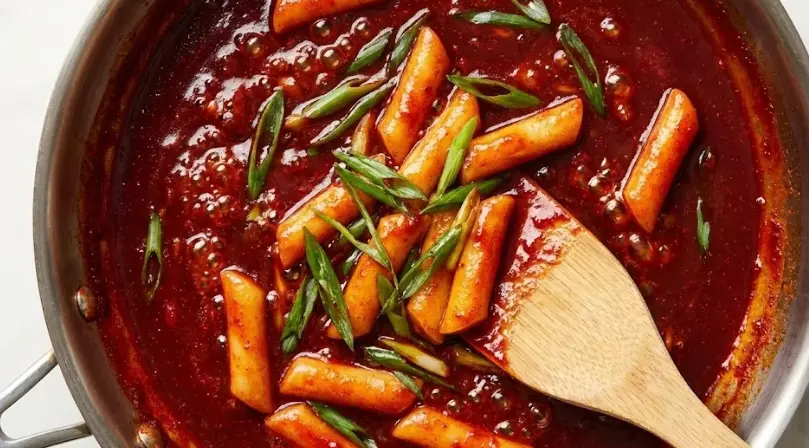
As the sauce reduces, the starch from the rice cakes will naturally thicken the liquid. Add the cabbage and tofu puffs in the last 3 minutes. The goal is a glossy, thick glaze that coats the back of a spoon.
Visual Comparison: Traditional vs. Healthy Vegan Tteokbokki
| Feature | Traditional Street Tteokbokki | Healthy Vegan Tteokbokki |
| Protein Source | Processed Fish Cakes (Nitrates) | Tofu Puffs & Shiitake (Whole Food) |
| Sweetener | Corn Syrup / White Sugar | Maple Syrup / Agave / Stevia |
| Sodium Content | Very High (>1,200mg) | Controlled (<650mg) |
| Glycemic Impact | High (Refined starch + Sugar) | Medium (Balanced with fiber/protein) |
| Est. Cost per Serving | $18.00 – $22.00 (Restaurant) | $4.50 – $5.00 (Home-cooked) |
Secondary Context: In-Text Image Description
FAQ: People Also Ask
Can I make this Healthy Vegan Tteokbokki Recipe gluten-free?
Most rice cakes are naturally gluten-free as they are made from 100% rice flour. However, Gochujang and soy sauce often contain wheat. To make this dish gluten-free, use a certified gluten-free Gochujang brand and substitute soy sauce with Tamari.
How do I adjust the spice level for children?
The heat primarily comes from Gochugaru. You can reduce the chili flakes to 1/2 tbsp and add 1 tbsp of tomato ketchup. The acidity and sweetness of the ketchup neutralize the capsaicin while maintaining the traditional red color. Source: FDA
Why do my rice cakes become mushy?
This occurs if the rice cakes are overcooked or if they are “wheat-based” rather than “rice-based.” Ensure you are using 100% rice flour cakes and stop cooking once the sauce has thickened to a glossy glaze.
Healthy Vegan Tteokbokki Recipe Verification Checklist
Before starting your culinary project, verify the following items to ensure the highest quality and safety standards:
- Check Gochujang Ingredients: Confirm the absence of high-fructose corn syrup or hidden animal fats (some pastes use lard or beef extract).
- Verify Rice Cake Texture: Ensure the cakes are firm to the touch before soaking; if they are slimy, they may be past their expiration date.
- Monitor Sodium Levels: If using standard soy sauce, do not add extra salt.
- Heat Safety: Fermented pastes can burn easily; ensure you are stirring the pot frequently once the sauce begins to thicken.
- Expiration Dates: Check the “Best Before” date on rice cakes, as they are a high-moisture product and prone to mold if not stored correctly.
Tactical Perspective on the Healthy Vegan Tteokbokki Recipe
From a senior editorial perspective at “Money Makes Honey,” this recipe represents the intersection of cultural appreciation and fiscal responsibility. Home cooking is not merely a hobby; it is a tactical approach to wealth management. By reducing reliance on expensive takeout and highly processed convenience foods, individuals can redirect significant capital toward long-term investments.
The Healthy Vegan Tteokbokki Recipe is a prime example of how “Health ROI” works. By substituting processed nitrates and refined sugars with whole-food alternatives, you are effectively reducing the risk of lifestyle-related illnesses. In the long run, a healthy body is the most productive asset one can own. This dish proves that premium culinary experiences do not require a premium price tag—only the right “Golden Ratio” of knowledge and execution.