
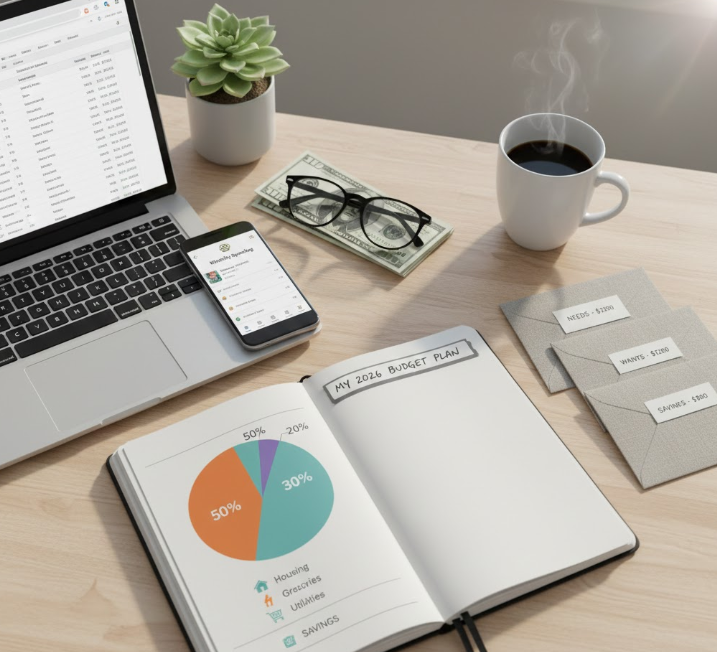
Building a solid US household budget is the most important step to managing money in the United States, which has become increasingly complex in 2026. With shifting housing markets and the evolution of digital subscriptions, having a ‘vague idea’ of your spending is no longer enough. A structured plan is the only way to ensure your hard-earned dollars are actually working for you and your family’s future.
📌 Related Watch: The Hidden Impact of Inflation on Your Salary
Summary: A household budget in 2026 must account for the “Silent Tax” known as inflation. Many professionals fall into the 3% raise trap, where nominal income increases fail to keep pace with the expanding money supply. Watch this analysis to learn how to adjust your financial planning to protect your purchasing power against systemic currency devaluation.
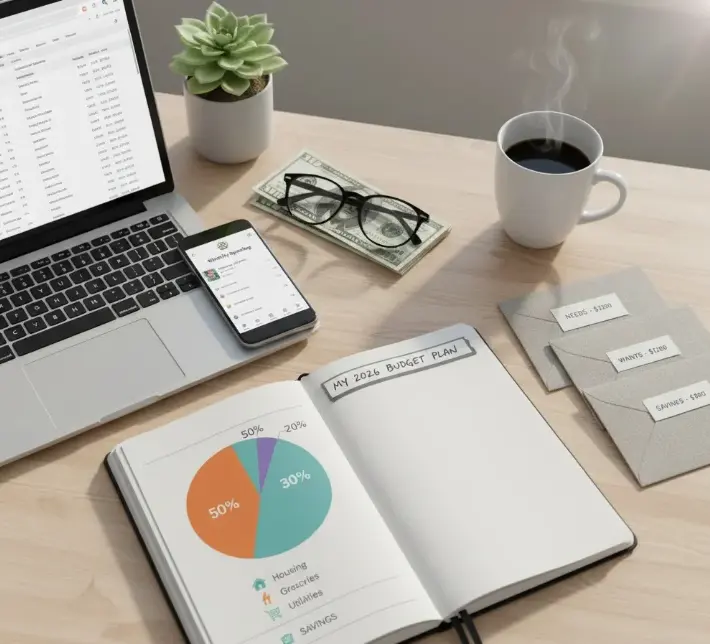
Why Monthly Budgeting is Essential Right Now
In 2026, the cost of living—particularly in housing and essential services—continues to be a primary concern for American families. A household budget acts as a financial roadmap, allowing you to see exactly where your money goes before the month begins. Without a structured plan, even high-income earners can find themselves living paycheck to paycheck due to “Lifestyle Creep” and unmonitored subscription costs.
How to Get Started with the 50/30/20 Rule
One of the most effective ways for beginners to start budgeting is the 50/30/20 rule. This simple framework categorizes your after-tax income into three main buckets to ensure all financial needs are met:
- 50% for Needs: This includes non-negotiable expenses such as rent or mortgage payments, utilities, groceries, insurance, and minimum debt payments.
- 30% for Wants: This covers lifestyle choices, including dining out, streaming services, hobbies, and travel.
- 20% for Financial Goals: This critical portion is reserved for emergency savings, high-interest debt repayment, and retirement contributions like a 401(k) or Roth IRA.
Essential Tools for Tracking Your Expenses
Choosing the right tool is less about the technology and more about your personal consistency. Most Americans find success using one of the following three methods:
- Budgeting Apps: Platforms like YNAB or Rocket Money sync directly with your bank accounts to categorize spending in real-time.
- The Spreadsheet Method: Using Google Sheets or Excel offers the highest level of customization and keeps you more “hands-on” with your data.
- The Envelope System: For those who struggle with overspending on “wants,” using physical cash in labeled envelopes ensures you cannot spend more than what is allocated for that category.
Common Budgeting Strategies: Finding Your Fit
Instead of a complex table, here is a quick breakdown of the most popular budgeting styles:
- Zero-Based Budgeting: Best for detail-oriented people. Every single dollar is assigned a specific “job” until your income minus expenses equals exactly zero.
- Pay Yourself First: Best for those with established saving habits. You automate your savings and debt payments first, then spend the remainder.
- The 50/30/20 Rule: Best for busy parents and beginners who want a high-level overview without tracking every nickel and dime.
FAQ: Common Household Budgeting Questions
How much should I save in an emergency fund?
Most financial experts recommend saving 3 to 6 months of essential living expenses. If you have a variable income or work in a volatile industry, aiming for 6 to 9 months is safer.
Should I pay off debt or save for retirement first?
Generally, you should secure your employer’s 401(k) match first, as that is a 100% return on your money. After that, focus on paying off high-interest debt (like credit cards).
How often should I review my budget?
A weekly check-in of 10 to 15 minutes is ideal to track your progress. A full planning session should happen once a month, a few days before the new month begins.
Practical Takeaway for Success
Building a successful US household budget is a marathon, not a sprint. Start by calculating your net (after-tax) income and listing your fixed “Needs” for the upcoming month. Use the 50/30/20 rule as your initial guide, but don’t be afraid to adjust the percentages as your financial situation evolves.
The key to wealth isn’t just how much you earn, but how much you keep. For the most current tax brackets and official savings limit updates, always refer to the IRS.gov website.
1 thought on “How to Build a Simple US Household Budget in 2026”