


4
Seoul Travel Guide: How to Plan a Smart, Efficient, and Meaningful Trip to Seoul
Seoul travel requires thoughtful planning to balance time, cost, and experience. This Seoul travel guide explains how to move efficiently, choose the right neighborhoods, estimate realistic costs, and avoid common mistakes, helping travelers build a practical itinerary grounded in verified information and local context.
How Seoul Travel Works for First-Time Visitors
Understanding Seoul’s urban structure
Seoul is a large, multi-centered city rather than a single downtown hub. Historic sites, commercial districts, and residential cultural areas are spread across different zones, all connected by an extensive public transportation network.
For visitors, this means travel efficiency depends less on distance and more on how destinations are grouped by district. Planning by area reduces unnecessary transfers and fatigue.
Why district-based planning matters
Even with an efficient subway system, crossing the city multiple times in one day can significantly reduce sightseeing time. Grouping attractions by neighborhood improves pacing and overall trip satisfaction.
When to Visit Seoul: Weather, Crowds, and Seasonal Costs
Seasonal travel considerations
Seoul experiences four distinct seasons, each shaping travel conditions differently.
- Spring (April–May): Mild temperatures and cherry blossoms; higher accommodation demand
- Summer (June–August): Hot and humid; frequent rain; festivals continue
- Autumn (September–October): Cooler weather and fall foliage; widely considered the best season
- Winter (December–February): Cold but clear; fewer tourists and lower hotel rates
Flight and hotel prices fluctuate based on global travel demand and local holidays. Travelers should confirm current pricing trends through airline and hotel booking platforms.
Holiday effects
Major Korean holidays can affect business hours and transportation availability. Dates change annually and should be verified in advance through official tourism or transportation portals.
Official guidance can be verified through the national tourism authority.
[Source: Korea Tourism Organization]
https://english.visitkorea.or.kr
Getting Around Seoul Efficiently


4
Public transportation overview
Seoul’s public transportation system is widely regarded as reliable, affordable, and tourist-friendly.
- Subway: Covers most major attractions; multilingual signage is common
- Bus: Useful for shorter distances and areas not directly served by subway
- Airport rail: Connects Incheon International Airport with central Seoul
According to official city transportation guidance, integrated fares allow seamless transfers within a set time window, though specific rules may vary by route and year.
[Source: Seoul Metropolitan Government]
[Source: Seoul Metropolitan Government – Transportation]
https://english.seoul.go.kr/policy/transportation
Practical transit tips
- Purchase a rechargeable transit card upon arrival
- Avoid peak commuting hours when possible
- Use real-time navigation apps for route optimization
What to See in Seoul by Interest


4
History and cultural heritage
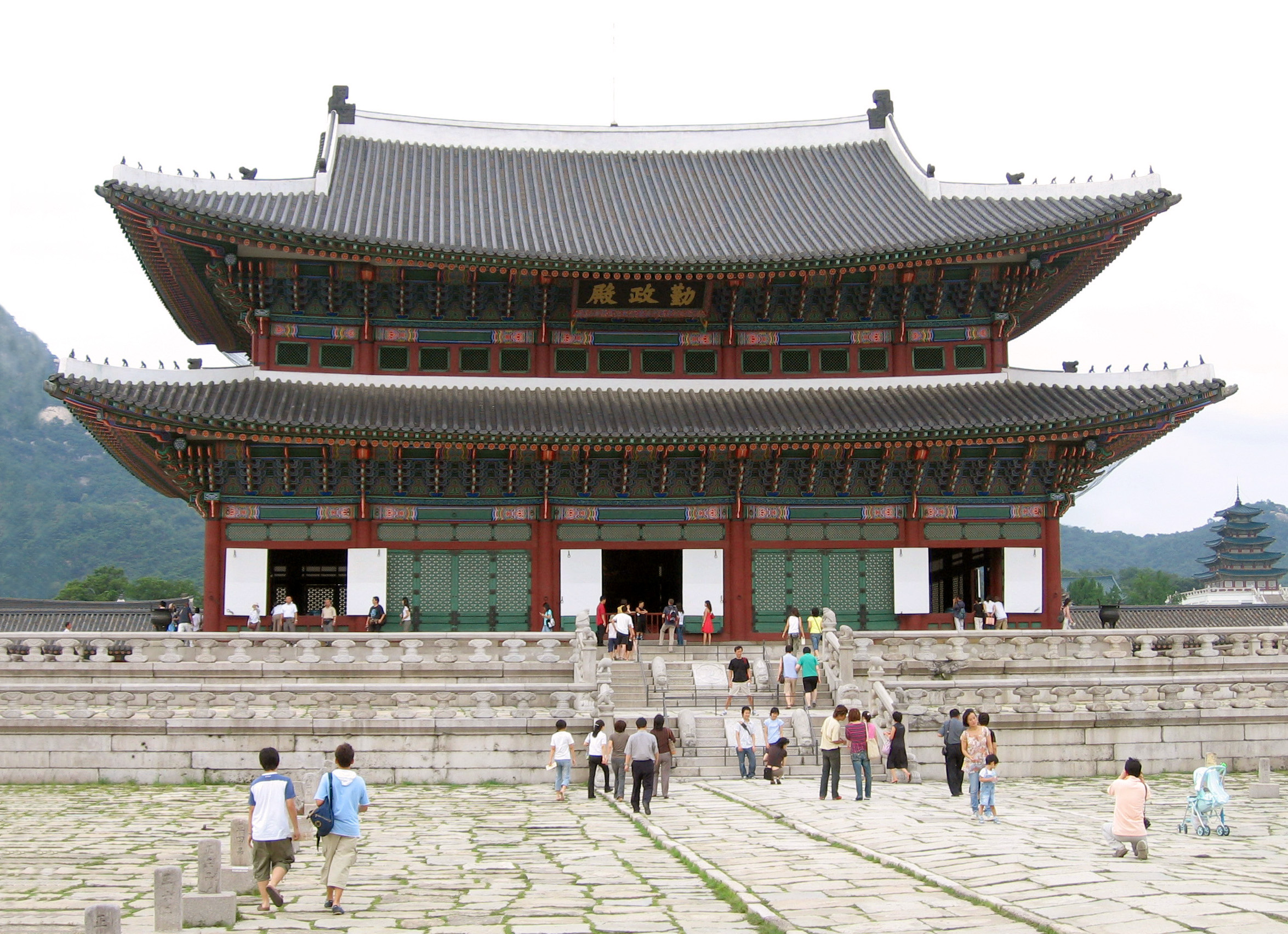
Royal palaces and traditional neighborhoods provide insight into Korea’s historical foundations. These areas are typically clustered, allowing multiple sites to be visited in a single morning or afternoon.
Shopping and street culture

4
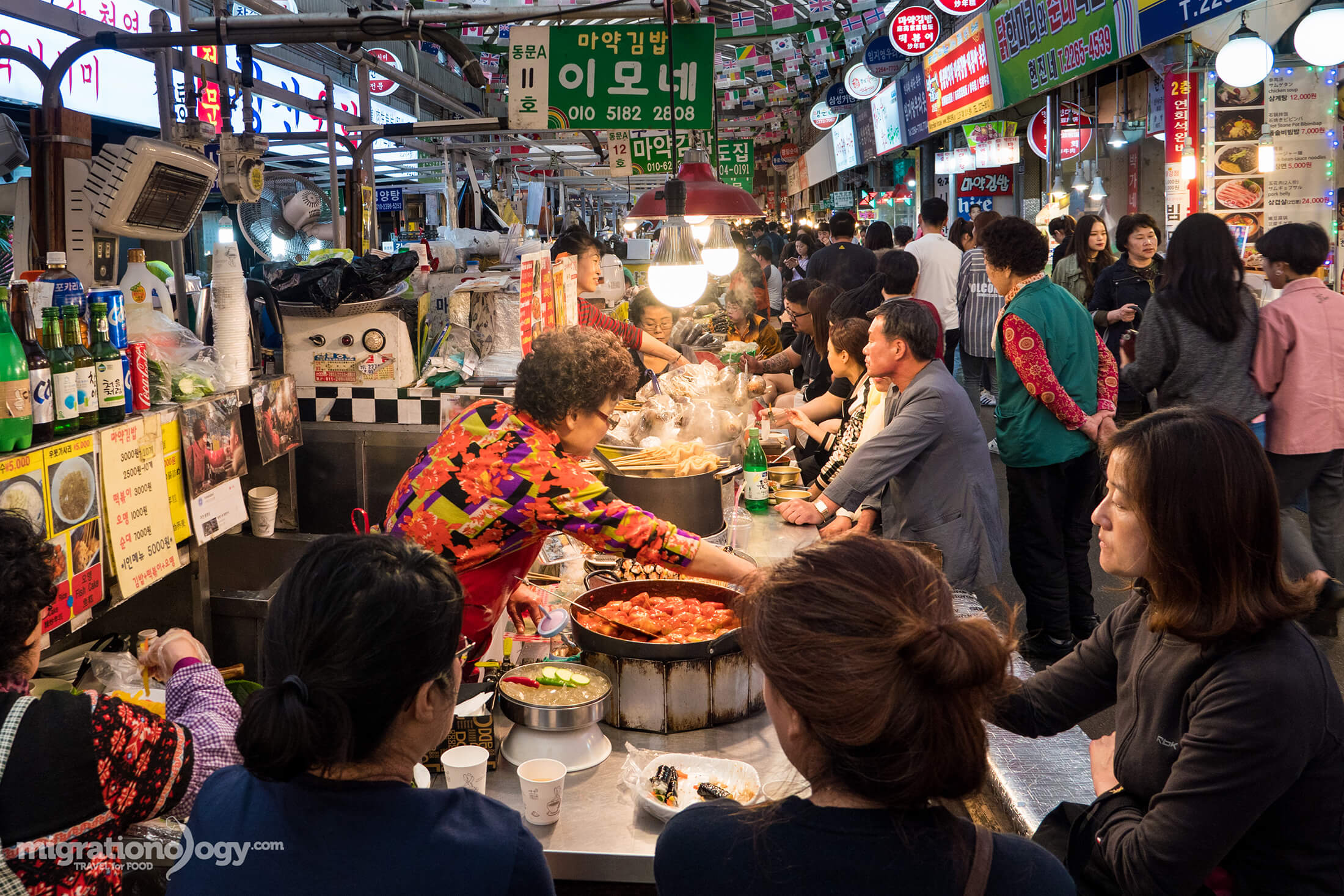
Commercial districts combine shopping, dining, and street food. Prices vary widely depending on location and brand, and tax-free shopping rules depend on nationality and purchase amount.
Scenic and everyday Seoul
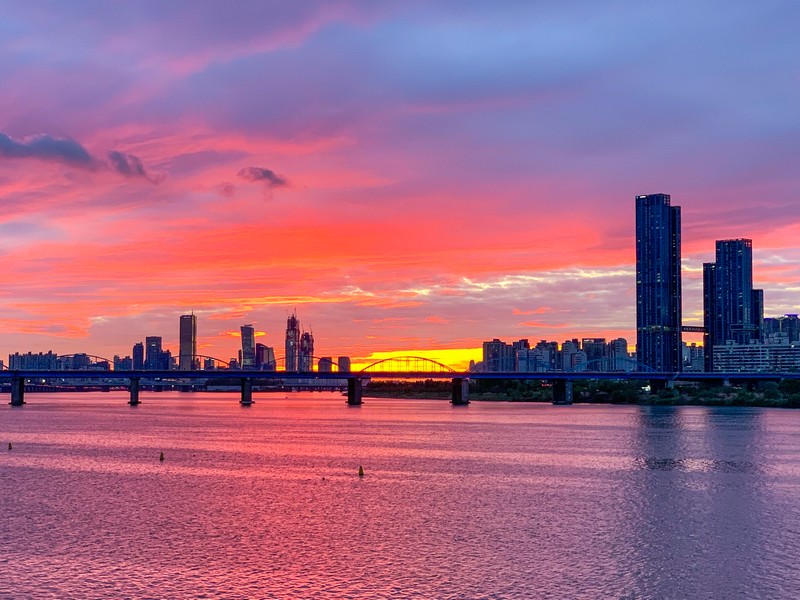
Riverfront parks, café districts, and residential neighborhoods offer a slower pace and reflect daily local life. These areas are often free to explore and suitable for families or longer stays.
Typical Seoul Travel Costs (General Estimates)
| Expense Category | Typical Range (USD) | Notes |
|---|---|---|
| Mid-range hotel (per night) | $100–200 | Season and location dependent |
| Local meals | $8–20 | Street food vs. casual dining |
| Public transit (per day) | $5–8 | Based on average usage |
| Major attractions | $3–10 | Many museums are low-cost |
These figures are general estimates, current as of 2025, and may vary by season, exchange rates, and personal travel style. Travelers should verify current prices through official venues or booking platforms.
Common Mistakes to Avoid When Planning Seoul Travel
- Packing too many distant attractions into one day
- Underestimating summer heat or winter cold
- Choosing accommodations far from subway lines
- Assuming all merchants accept international cards
Minor adjustments in lodging location or daily pacing can significantly improve comfort and cost efficiency.
FAQ: Seoul Travel
Is Seoul safe for international travelers?
Seoul is generally considered a safe city with low violent crime rates. Standard urban travel precautions still apply.
Do travelers need cash in Seoul?
Many businesses accept cards, but small restaurants and markets may prefer cash or local payment methods.
How many days are ideal for Seoul travel?
Four to five days allow a balanced overview. Longer stays enable deeper exploration or nearby day trips.
Is English widely spoken in Seoul?
English signage is common in transport hubs and tourist areas, but conversational proficiency varies.
Seoul Travel Verification Checklist
Before finalizing plans, travelers should verify:
- Entry and visa requirements based on nationality
- Seasonal weather forecasts
- Transportation schedules from airports
- Holiday-related closures or schedule changes
Official tourism and government portals provide the most reliable updates.
[Source: Korea Tourism Organization]
Tactical Perspective on Seoul Travel
A sustainable Seoul travel experience prioritizes efficient routing, seasonal awareness, and realistic daily plans. Travelers who focus on district-based itineraries and public transportation typically spend less time commuting and more time engaging with the city.
For broader planning and budgeting perspectives:
- Read More: The 50/30/20 Budgeting Rule Explained
- Read More: How Families Can Budget Smarter for International Travel
- Read More: Building a Wealth Mindset Through Intentional Spending
Approached thoughtfully, Seoul travel offers cultural depth, modern convenience, and strong value without requiring excessive spending or rushed schedules.