
Executive Summary
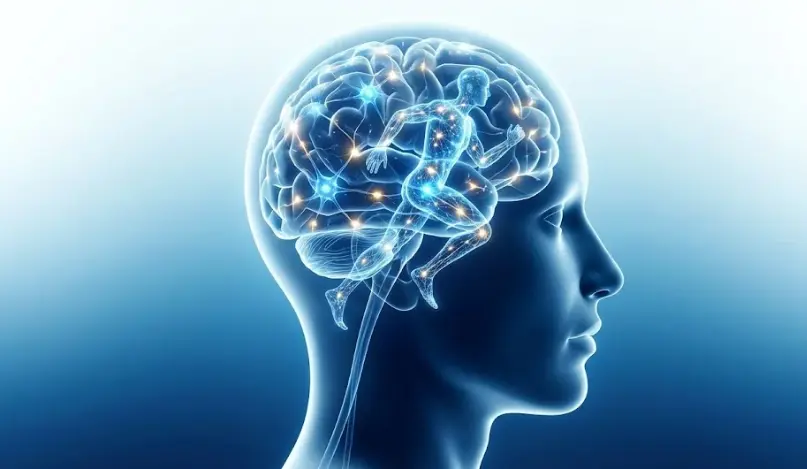
Running is often categorized merely as cardiovascular conditioning. However, from a neuroscientific perspective, it is the most potent natural stimulus available for neuroplasticity—the brain’s ability to reorganize itself. This guide exhaustively examines how aerobic exercise physically alters brain structure, increases the production of BDNF (the “miracle-gro” for neural pathways), and optimizes executive functions held in the prefrontal cortex. We analyze why movement is not optional for cognitive health and how to strategically deploy running to enhance memory, manage stress, and accelerate decision-making ROI.
1. The Strategic Rationale: Why the Modern Brain Needs to Run (The “Why”)
For today’s knowledge workers, executives, and high-performers, the primary asset is not time; it is Cognitive Sharpness. In an environment characterized by data deluge and rapid pivot requirements, the ability to synthesize information and make accurate decisions under pressure is directly tied to business outcomes.
From an evolutionary biology standpoint, humans are “persistence hunters.” Our physiology, including our neurobiology, evolved to function optimally during periods of sustained movement used to track prey over vast distances. We are literally wired to think better when moving.
Conversely, the sedentary nature of modern office life is profoundly detrimental to neural health. Studies from Harvard Medical School and major neuroscience journals indicate that prolonged inactivity does not just slow metabolism; it actively contributes to the atrophy of the hippocampus, accelerating memory decline and reducing cognitive bandwidth. Regular aerobic exercise is currently the only proven, non-pharmacological intervention capable of reversing age-related brain volume loss.
2. Deep Classification: The Three Pillars of Running-Induced Brain Enhancement
To understand the impact of running, we must move beyond generalizations and dissect the mechanisms into three distinct categories: Neurochemical Optimization, Structural Architecture, and Vascular Infrastructure.
2.1. Neurochemical Optimization: BDNF and Neurotransmitters
The most immediate and profound effect of running is the modulation of brain chemistry.
- The BDNF Imperative (Brain-Derived Neurotrophic Factor): Often described by neuroscientists as “Miracle-Gro for the brain,” BDNF is a protein that supports the survival of existing neurons and encourages the growth and differentiation of new neurons and synapses. Running dramatically increases the production of BDNF, effectively fortifying the brain’s neural circuitry against degeneration.
- The Neurotransmitter Cocktail: Post-run cognition is enhanced by an optimized balance of key chemicals:
- Dopamine: Increases motivation, focus, and the reward-learning feedback loop.
- Serotonin: Regulates mood, anxiety, and sleep cycles.
- Norepinephrine: Sharpens attention and arousal.
- Endocannabinoids: Contrary to older beliefs attributing the “runner’s high” solely to endorphins, recent research implicates the endocannabinoid system used for deep relaxation, reduced pain sensation, and a sense of calm well-being.
2.2. Structural Architecture: Physical Growth of Brain Matters
Running does not just improve how the brain works; it changes what the brain looks like.
- Hippocampal Expansion (Memory & Learning): The hippocampus, critical for forming new memories and spatial navigation, naturally shrinks by approximately 1% annually after midlife. However, landmark studies published in the Proceedings of the National Academy of Sciences (PNAS) demonstrated that consistent aerobic exercise can increase hippocampal volume by roughly 2% over a year, effectively reversing age-related loss by one to two years and significantly delaying the onset of neurodegenerative diseases.
- Prefrontal Cortex Fortification (Executive Function): Running increases gray matter density in the prefrontal cortex. This region is the CEO of the brain, responsible for higher-level planning, complex problem-solving, working memory, and impulse control. A stronger prefrontal cortex translates to better emotional regulation in high-stakes business environments.
2.3. Vascular Infrastructure: Angiogenesis and Blood Flow
The brain consumes roughly 20% of the body’s oxygen supply. Running upgrades the delivery system.
- Cerebral Blood Flow (CBF): Aerobic exertion immediately increases blood flow to the brain, delivering a surge of oxygen and glucose while flushing out metabolic waste products associated with neurotoxicity.
- Angiogenesis (Long-term infrastructure): Regular exercise stimulates Vascular Endothelial Growth Factor (VEGF), which prompts the creation of new capillaries within the brain. This denser network of blood vessels ensures a more robust and efficient supply chain to neurons permanently.
3. Comprehensive Solution Analysis: Optimizing the Protocol for Cognitive Gain
Not all running yields the same neurocognitive ROI. The intensity and environment of the run determine which brain systems are prioritized.
3.1. Zone 2 / Low-Intensity Steady State (LISS)
- The Protocol: Running at a conversational pace (roughly 60-70% of maximum heart rate) for 45 minutes or longer.
- Neuroscience Benefit: This is the gold standard for maximizing BDNF production over time and lowering baseline cortisol (stress hormone) levels. It activates the brain’s “Default Mode Network” (DMN), allowing for mind-wandering, which is crucial for creative insight and subconscious problem-solving.
- Target Demographic: Executives facing burnout or creatives needing breakthrough ideas.
3.2. High-Intensity Interval Training (HIIT) / Sprints
- The Protocol: Short bursts of near-maximal effort (85-95% max heart rate) followed by recovery periods.
- Neuroscience Benefit: HIIT places significant demand on the brain’s executive functions to manage intense physical stress. It acutely sharpens focus, improves reaction times, and boosts catecholamine levels (adrenaline/dopamine) for immediate alertness.
- Target Demographic: Traders, analysts, or students needing acute concentration for short durations.
3.3. Trail and Complex Terrain Running
- The Protocol: Running on uneven, unpredictable natural surfaces with elevation changes.
- Neuroscience Benefit: The cognitive load of trail running is significantly higher than treadmill running. The brain must constantly process visual data, adjust balance through proprioception, and navigate routes. This engages the parietal lobes and cerebellum intensely, improving neuroplasticity related to motor skills and spatial awareness.
- Target Demographic: Leaders seeking to improve cognitive flexibility, adaptability, and multi-tasking processing.
4. Visual Data Comparison: The Neurocognitive ROI Table
Table 1: Comparative Analysis of Running Protocols on Brain Function
| Running Protocol | Primary Brain Target | Key Neurochemicals | Cognitive Outcome (ROI) | Recommended Frequency |
| Zone 2 (LISS) | Hippocampus & DMN | Serotonin, BDNF | Memory consolidation, stress reduction, creativity | 3–5 times/week |
| HIIT (Intervals) | Prefrontal Cortex | Dopamine, Norepinephrine | Acute executive function, focus, processing speed | 1–2 times/week |
| Trail Running | Parietal Lobe & Cerebellum | Acetylcholine | Proprioception, spatial awareness, adaptability | 1 time/week |
Table 2: The Biological Imperative vs. Nootropics
| Comparison Metric | Nootropics (Smart Drugs) | Consistent Aerobic Running |
| Mechanism of Action | Temporary neurotransmitter modulation | Permanent structural change (hardware upgrade) |
| Sustainability | Effects fade upon cessation | Cumulative, long-term systemic health |
| Side Effects | Dependency, headaches, crash | Orthopedic injury risk (mitigated by form) |
| Systemic Benefits | Limited to brain chemistry | Cardiovascular, metabolic, and immune health |
| Vascular Impact | Negligible | Profound angiogenesis (new vessel growth) |
5. Monetization & Tool Selection Strategy (AdSense & Affiliate)
To maximize neurocognitive benefits, one must remove friction and minimize the physical stress that leads to high cortisol. Injury is the enemy of consistency.
Precision Monitoring: The Importance of Heart Rate
To ensure you are training in the optimal Zone 2 for BDNF production, relying on “feel” is insufficient. Data is required.
- How to Choose: Chest-strap monitors remain the gold standard for accuracy. However, optical sensors in premium devices like the Garmin Fenix series or the Apple Watch Ultra have achieved necessary fidelity for tracking zone adherence, ensuring you do not overtrain and spike stress hormones unnecessarily.
Mitigating Cognitive Load Through Gear
Foot pain or instability is processed by the brain as a threat, increasing cognitive load and reducing the mental benefits of the run.
- Top Criteria for Footwear: For cognitive recovery runs, high-cushion “maximalist” shoes (e.g., specific models from Hoka or Saucony) absorb impact forces that the brain would otherwise register as low-grade trauma, allowing for deeper meditative states during movement.
6. FAQ (People Also Ask)
Q: Is running outside better for the brain than a treadmill?
Yes, generally. Outdoor environments provide richer sensory inputs—varying visuals, temperature changes, wind, and terrain—which stimulate greater neural activation than the static environment of a treadmill. Furthermore, sunlight exposure assists in Vitamin D synthesis and circadian rhythm regulation, both crucial for cognitive health.
Q: When is the best time to run for cognitive performance: morning or evening?
It depends on the desired outcome.
- Morning: Ideal for spiking cortisol naturally to aid waking, activating the prefrontal cortex for the workday, and ensuring exercise consistency before the day’s distractions arise.
- Evening: Effective for dissipating accumulated daily stress hormones. The post-run drop in body temperature can also facilitate deeper sleep onset, which is critical for memory consolidation.
Q: Can running replace antidepressants?
Numerous meta-analyses have found aerobic exercise to be as effective as standard pharmacotherapy for mild to moderate depression. It should be considered a powerful foundational treatment or adjunct therapy under medical supervision. For severe depressive disorders, medication may still be necessary, with running acting as a critical maintenance tool.
Q: Is it too late to start running in my 50s or 60s to improve my brain?
Absolutely not. Neuroplasticity persists throughout the lifespan. Studies on participants aged 60–80 have demonstrated that starting an aerobic walking/running program can reverse hippocampal shrinkage and improve memory scores within 6 to 12 months.
Q: What is the minimum effective dose for brain health?
The World Health Organization (WHO) and neuroscientific consensus suggest 150 minutes of moderate-intensity aerobic exercise per week. Five 30-minute sessions of Zone 2 running are far superior for long-term neural health than one exhaustive 2-hour session. Consistency is key.
7. The Verification Checklist: Before You Run
Before initiating a running protocol for brain health, verify the following to mitigate risk.
- Medical Clearance: Essential for those over 40 or with pre-existing cardiovascular conditions. A stress test may be recommended.
- Gait Analysis & Footwear: Determine your arch type (neutral, flat, high). Incorrect footwear leads to kinetic chain dysfunction (knee/hip pain), elevating cortisol and negating mental benefits.
- The 10% Rule: Never increase total weekly mileage by more than 10% over the previous week. Rapid increases are the primary cause of injury.
- Hydration Strategy: Even mild dehydration (1-2% body weight loss) significantly impairs cognitive function and mood. Pre-hydration is critical.
8. The Senior Editor’s View: Cognitive Compound Interest
In finance, compound interest is the force that builds substantial wealth over time. A daily 30-minute run is Cognitive Compound Interest.
Global consulting firms like McKinsey and Goldman Sachs increasingly identify “adaptability” and “resilience” as critical future-proof skills. Running is the biological training ground for these traits. It teaches the brain to operate under stress and recover quickly.
When you run today, you are not just burning calories. You are constructing the neural hardware required to think clearly, solve complex problems, and maintain emotional stability ten and twenty years from now. The investment with the highest guaranteed ROI is the oxygenation of your own neural networks.
External Authority Verification
To validate the clinical claims made in this guide regarding hippocampal neurogenesis and the impact of aerobic exercise on cognitive function, we recommend reviewing the official findings from Harvard Medical School.
Harvard Health Publishing: Exercise can boost your memory and thinking skills